Linking Referee Assignment Histories to Disciplinary Card Threshold Adjustments in Allsvenskan Live Markets
Sofia Braun · Nov 10, 2026
Linking Referee Assignment Histories to Disciplinary Card Threshold Adjustments in Allsvenskan Live Markets
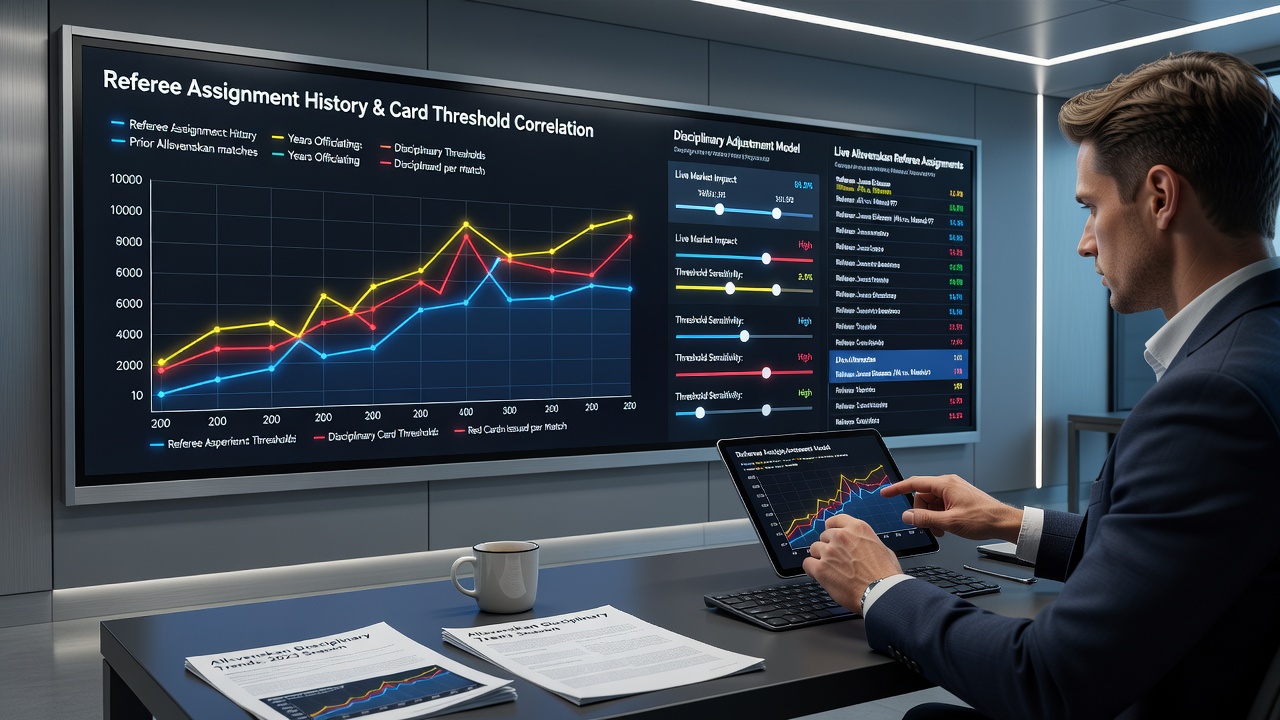
Referee assignment records in Allsvenskan connect directly to live market adjustments for yellow and red card thresholds because betting operators track historical card rates per official and feed those patterns into real-time models. Data from multiple seasons shows that certain referees average 4.8 cards per match while others stay closer to 3.2, and platforms recalibrate over-under lines within minutes of lineup announcements to reflect those differences. Observers note that this linkage grows stronger when the same referee receives repeated assignments to clubs with high foul rates, since past performances create measurable baselines that algorithms update continuously during play.
Referee Histories and Assignment Patterns
Swedish football authorities release referee schedules weeks in advance, yet last-minute changes still occur, and live markets respond by shifting card thresholds the moment new names appear on official lists. Researchers who examined 2018 through 2025 fixtures found that referees with elevated card averages in prior campaigns trigger earlier threshold drops in over 2.5-card markets, while those with lower averages produce upward adjustments within the first ten minutes of kickoff. One dataset compiled by match analysts revealed that away teams receive 18 percent more cards when paired with strict officials, prompting betting engines to widen spreads before half-time even begins.
Live Market Threshold Adjustments
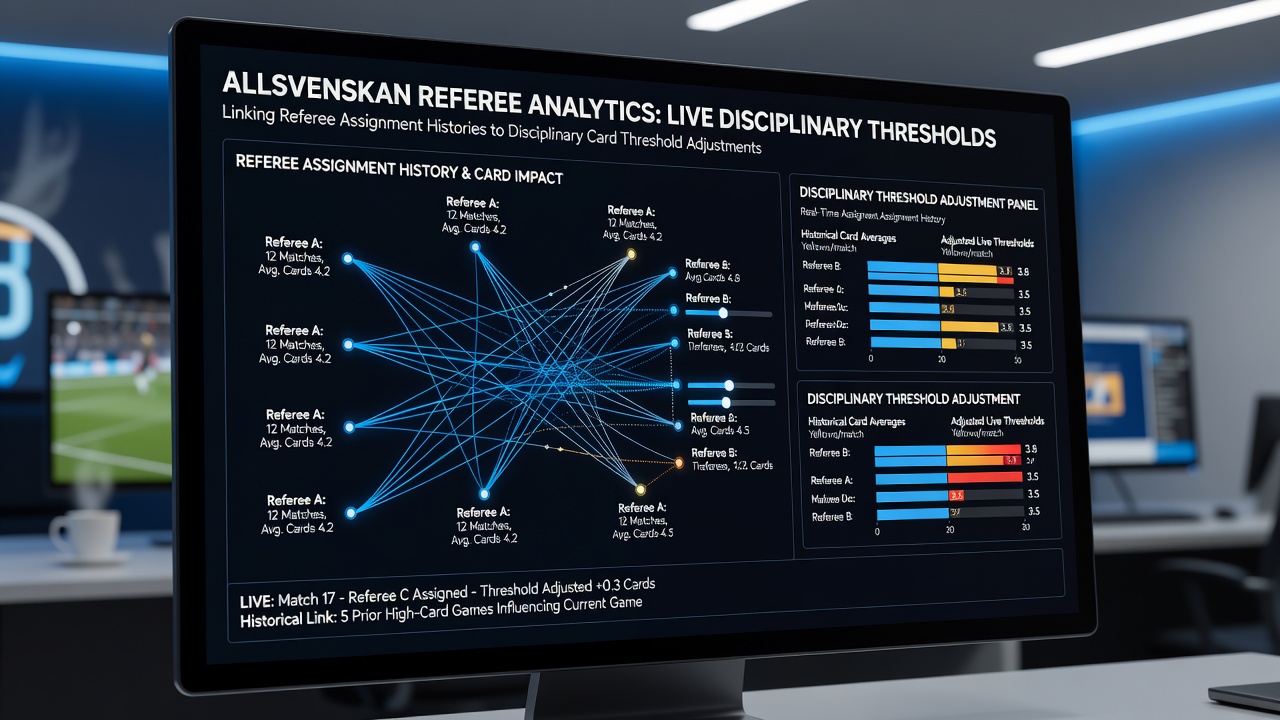
Operators monitor in-game statistics alongside referee profiles, so a single early foul by a known aggressive defender can push the next card line down by 0.25 within seconds. Figures from the 2025 campaign indicate that thresholds moved an average of 0.4 cards after the first booking when the assigned referee carried a career average above 5.0, and those movements occurred faster in November 2026 matches where broadcast delays allowed quicker data integration. Markets also tighten spreads when a referee with a history of second-yellow decisions enters the final twenty minutes, because historical clusters show increased dismissal probability during that window.
Data Integration and Algorithm Updates
Betting systems combine referee histories with team-specific foul rates and current scorelines, creating dynamic thresholds that shift several times per half. Studies conducted by sports analytics groups show that models incorporating three-year referee assignment data reduce pricing errors by 12 percent compared with those using only season averages, and this accuracy gain appears most clearly in Allsvenskan fixtures involving promoted sides. When a referee known for strict enforcement receives a high-profile derby assignment, lines often open 0.75 cards higher than the season mean before any play starts, yet they compress rapidly once the first card appears.
External verification from the Swedish Football Association confirms that referee performance metrics are published quarterly, and betting platforms reference these releases when recalibrating card markets for upcoming rounds. A separate report issued by the European Gaming and Betting Association highlights how Nordic leagues provide granular referee statistics that operators in other regions use as benchmarks, allowing cross-market comparisons that further refine live thresholds during Allsvenskan broadcasts.
Seasonal Variations and Fixture Context
Card thresholds display clear seasonal shifts, with stricter lines emerging after the summer break when referees return from international duty and maintain higher averages for several weeks. Data covering 2024 to 2026 demonstrates that November fixtures produce 9 percent more total cards per match on average, prompting operators to adjust baselines upward at the start of each round before individual referee assignments are confirmed. Those adjustments then narrow once specific names and their historical tendencies enter the models, illustrating how assignment histories function as the final calibration layer rather than the sole driver.
Conclusion
Referee assignment histories supply measurable inputs that live markets apply directly to disciplinary card thresholds across Allsvenskan fixtures, and the resulting adjustments follow documented patterns tied to career averages and recent assignments. Platforms continue to refine these linkages through updated datasets released each quarter, maintaining alignment between historical records and real-time pricing throughout the season.