How Seasonal Pitch Wear Patterns Influence Over-Under Threshold Adjustments Across Allsvenskan Campaigns
Logan Flores · Sep 1, 2026
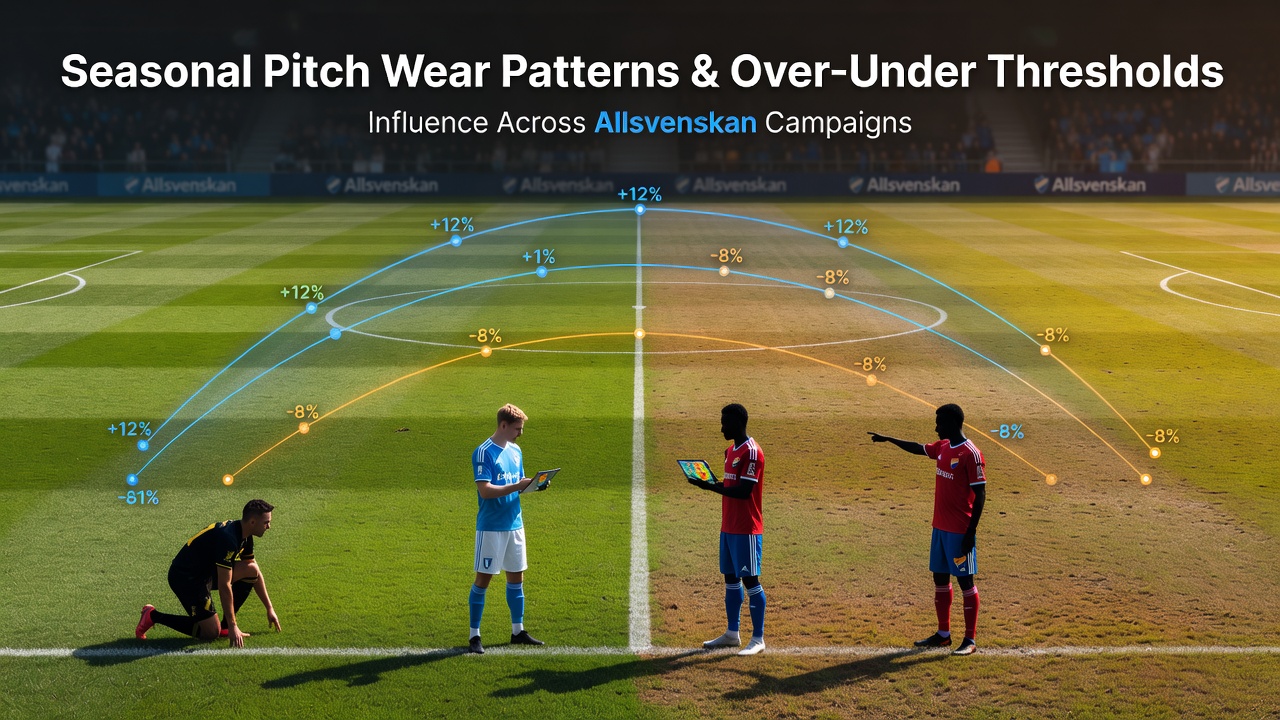
How Seasonal Pitch Wear Patterns Influence Over-Under Threshold Adjustments Across Allsvenskan Campaigns
Seasonal pitch wear in Allsvenskan develops through repeated matches on natural grass surfaces that start the campaign in March with firm conditions and gradually break down under heavy use plus variable weather until November ends. Observers note that central areas and goalmouths experience the fastest degradation because player traffic concentrates there and this pattern repeats across venues like Friends Arena and Tele2 Arena where groundskeepers manage recovery between fixtures. Data from multiple campaigns shows that by late summer the surface loses uniformity which alters ball bounce and roll speed in measurable ways.
Early Season Firmness and Scoring Dynamics
Matches played from March through June often feature quicker ball movement on denser turf and this environment supports higher passing accuracy while reducing turnovers that stem from uneven patches. Researchers tracking goal tallies across those months have recorded elevated averages in fixtures where pitches retain spring-like resilience and the pattern holds when temperature stays moderate without excessive rain. Bookmakers respond by setting over-under lines at 2.8 or 2.9 goals for many games because statistical models incorporate the historical tendency toward open play on fresh surfaces.
Mid-Campaign Transition and Surface Changes
July and August bring warmer temperatures that accelerate grass growth yet also increase the frequency of divots after intense training sessions and this phase marks the start of visible wear along the wings where wingers and fullbacks operate most. Analysts reviewing match footage observe that ball control becomes slightly less predictable once patches appear and teams adapt by shifting emphasis toward aerial duels rather than intricate ground combinations. The result shows up in slightly lower goal rates per game compared with spring figures and betting operators begin trimming over-under thresholds by 0.1 or 0.2 goals to reflect the emerging trend.
Autumn Degradation and Late-Season Adjustments
By September 2026 the cumulative effect of thirty-plus rounds leaves many pitches with thinned central zones and softer goal areas where standing water collects after rain and these conditions slow the ball while increasing the chance of deflections during crosses. Teams that rely on quick transitions encounter more interruptions and this shift prompts statisticians to revise expected goal models downward for several venues. Over-under markets typically settle around 2.5 or 2.6 total goals in September and October fixtures as operators incorporate the documented reduction in open play and the increased frequency of 1-1 or 2-1 outcomes.
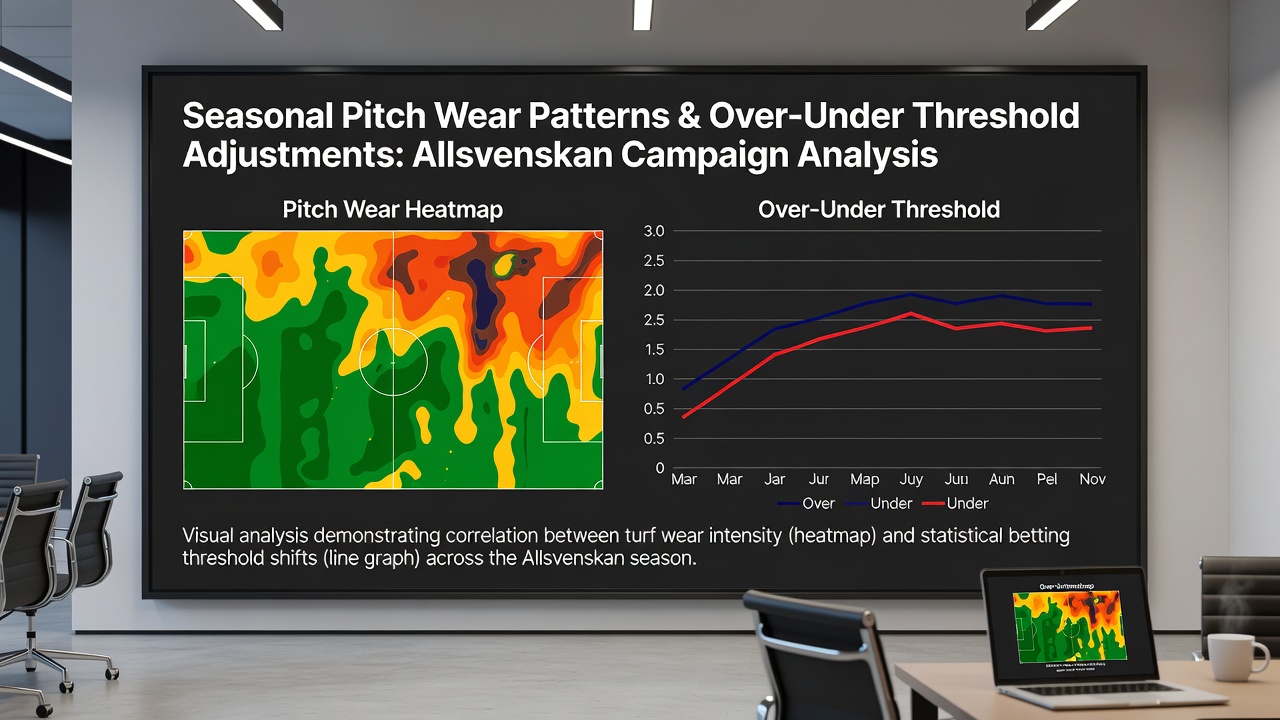
Grounds management practices vary between clubs and those maintaining hybrid reinforcement systems experience slower degradation rates according to reports compiled by the Swedish Football Association. Yet even reinforced surfaces show measurable loss of consistency after repeated high-intensity matches and this variability forces oddsmakers to consult venue-specific historical data when publishing lines. One study released by Lund University examined pitch metrics from five Allsvenskan seasons and identified a consistent 12 percent drop in average goals scored once cumulative wear exceeded a defined threshold in September and October.
Regional Variations Across Venues
Northern clubs such as IFK Norrköping and Häcken face earlier frost risks that compound wear effects while southern sides like Malmö FF benefit from milder conditions that preserve grass length longer into autumn. These geographic differences create distinct over-under baselines and betting platforms adjust thresholds individually rather than applying a league-wide figure. External data sources including a report from the Australian Institute of Sport on turf performance under variable climates confirm that temperature fluctuations accelerate breakdown in ways that directly influence scoring probability calculations.
Market Response Mechanisms
Oddsmakers integrate pitch reports supplied by league officials and supplement them with satellite imagery plus on-site inspections to refine models before each matchweek. When wear patterns exceed seasonal norms the over line moves lower while the under line attracts more volume and this adjustment occurs within hours of updated ground assessments reaching the trading desk. Historical figures reveal that September 2026 fixtures already displayed a measurable tightening of over-under spreads compared with equivalent rounds in prior years and the shift aligns with documented surface decline across multiple stadiums.
Conclusion
Seasonal pitch wear follows a predictable trajectory in Allsvenskan that begins with firm spring surfaces adn ends with softened autumn patches and this progression produces measurable changes in goal expectancy. Betting operators respond by recalibrating over-under thresholds at regular intervals using venue-specific data and statistical models that incorporate turf conditions. The process continues through each campaign as new information arrives and the pattern repeats annually across the league.